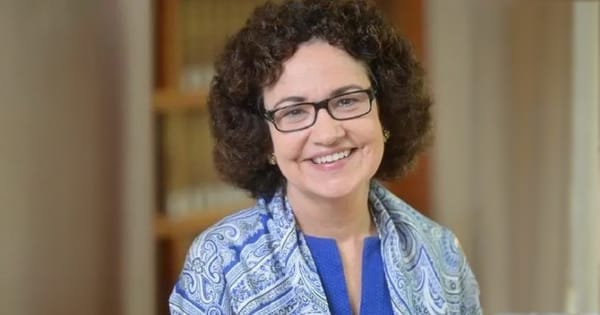
From the Bookshelves: Unwelcome Shores: Black Refugees in America by Bernadette Ludwig

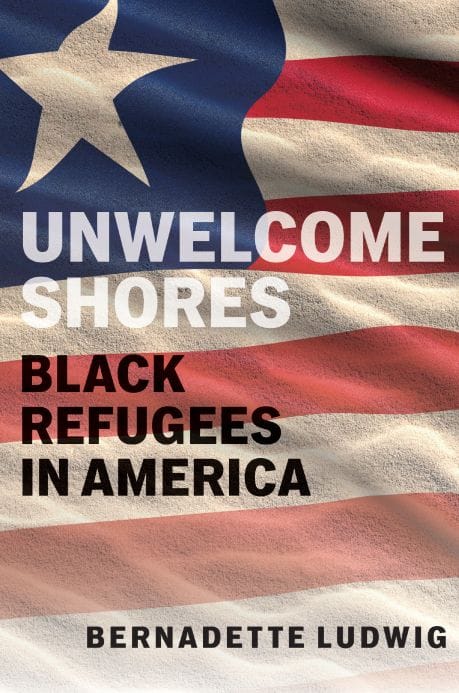
Unwelcome Shores: Black Refugees in America by Bernadette Ludwig (2025)
Rutgers University Press description of the book:
Unwelcome Shores is an ethnographic study of the Liberian refugee community in Staten Island, New York, home to the largest per capita concentration of Liberians in the U.S., that sheds light on the racialization of Black refugees and the racism they have experienced at every step of their migration journey. In this pioneering study, sociologist Bernadette Ludwig explores how Liberians have responded to such racist exclusions, noting how members of this community reject the informal refugee label once they are resettled in the United States. Liberian migrants often view the label as a liability since the larger general public, the media, and the U.S. government tend to regard Black refugees as an economic and social burden unworthy of assistance. Indeed, Black refugees’ humanity is often ignored, Ludwig contends, in favor of overemphasizing presumed barbaric violence, endemic wars, cultural backwardness, and diseases. By detailing the lack of aid and support for Black refugees and describing how Liberian refugees in particular have had to overcome various struggles and barriers in coming to the U.S. and while living here, Unwelcome Shores highlights the overarching role of race and anti-Black racism in American society.