NPR: How the federal government is painting immigrants as criminals on social media

Pinned Homeland Security@DHSgov·Jan 20
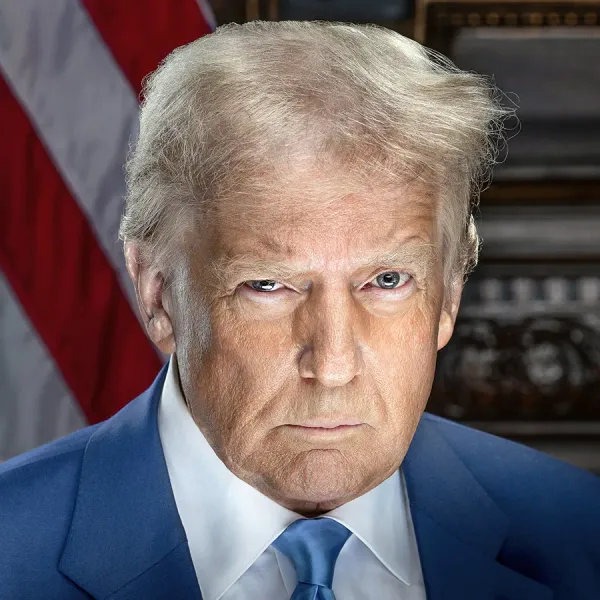
WATCH: @POTUS Trump highlights the WORST OF THE WORST arrested by @ICEgov in Minnesota.
Under the leadership of President Trump and @Sec_Noem, DHS law enforcement is removing the murderers, predators, fraudsters, and drug traffickers from American communities.
NPR's "Deep Dive" looks at how the U.S. government is depicting immigrants on social media. Check out the Immigration and Customs Enforcement X page. NPR's conclusion:
"Social media accounts from the White House, the Department of Homeland Security and other immigration agencies have spent much of the past year posting about people detained in the administration's immigration crackdown, typically portraying them as hardened, violent criminals. That's even as over 70% of the people detained don't have criminal records according to ICE data.
NPR's research of cases in Minnesota shows that while many of the people who have been highlighted on social media do have recent, serious criminal records, about a quarter are . . . with decades-old convictions, minor offenses or only pending criminal proceedings. Scholars of immigration, media and criminal law say such a media campaign is unprecedented and paints a distorted picture of immigrants and crime.
A year into President Trump's second term, the X accounts of DHS and ICE have posted about more than 2,000 people who were targets of mass deportation efforts. Starting late last March, DHS and ICE began posting on X on a near daily basis, often highlighting apprehensions of multiple people a day . . . ."