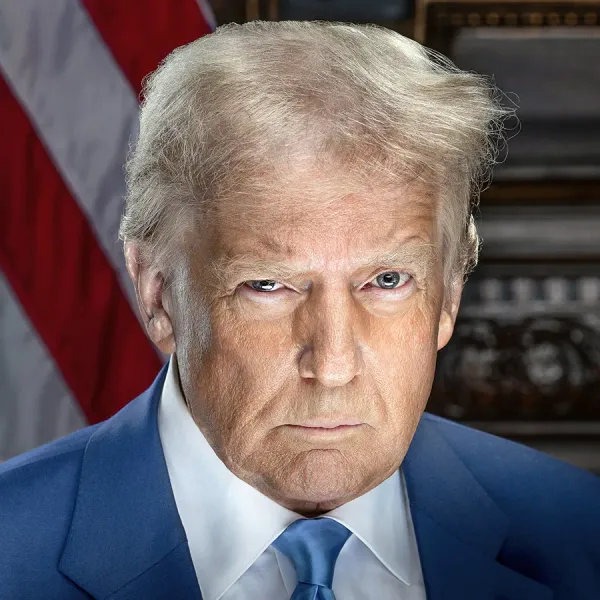
Trump Signs Secure America Act into Law

Following approval from the House and Senate, today Trump signed the Secure America Act into law. Here's how the White House is framing the issue:
After four years of Democrats’ dangerous open-border policies that fueled chaos and lawlessness across the country, President Trump has delivered the most secure border in history, with illegal crossings dropping to record lows—just as he promised. In spite of President Trump’s successes that have made our communities safer and crime drop to generational lows, congressional Democrats have spent months blocking critical funding for the brave men and women charged with protecting our homeland.
The Secure America Act puts an end to Democrats’ political games by fully funding ICE and Border Patrol through President Trump’s term and providing the resources needed to keep our border secure, combat human trafficking, stop the flow of deadly drugs, dismantle criminal cartels, and enforce America’s immigration laws.
Last week, every single Senate Democrat voted against the Secure America Act. This week, House Democrats will yet again show the nation that they are the party of open borders, protecting criminal illegal aliens, and defunding the police.